
Founder of Truliv

Truliv is a modern co-living platform offering fully managed rental spaces designed for comfortable urban living. It provides fully furnished homes with flexible rental options for young professionals and modern renters. Its properties combine private living spaces with thoughtfully designed shared amenities and community experiences.
Funding
Valuation
Bed Portfolio

2019
Started

31
Properties

Co-living, Holiday Homes
Sectors

Chennai, Bangalore, Pune, New Delhi, South America, Singapore
Properties
Founder

Rohit didn't grow up discovering real estate. It was simply there, woven into daily life. Construction sites were familiar terrain. Blueprints were not intimidating. Watching a small model evolve into a real building felt natural, almost expected.
As a child, he built imaginary cities out of VHS tapes. As he grew older, geometry and numbers appealed to him because they helped him see space differently. His father pushed him to look beyond borders, world affairs, football leagues, geography.
By the age of four, Rohit already had access to a computer.What stayed with him wasn't just exposure, but temperament. He learned early how to respect money. And more importantly, how to earn trust. In real estate, he would later realise, trust compounds faster than capital.
Despite premium amenities, the experience felt rigid, one access card, strict security, little flexibility. The building functioned well, but living there felt oddly transactional.That contradiction stayed with him. Across cities and countries, housing forced people to choose: freedom or affordability, comfort or dignity. Rarely both.
Rohit found a room in a high-rise apartment on the 35th floor, pool, sauna, theatre, the works. He lived with people from across the world. It was affordable by Singapore standards. Efficient, Clean and strangely lonely. Despite shared spaces, there was no real sense of community.
Problem Faced
Despite premium amenities, the experience felt rigid, one access card, strict security, little flexibility. The building functioned well, but living there felt oddly transactional.That contradiction stayed with him. Across cities and countries, housing forced people to choose: freedom or affordability, comfort or dignity. Rarely both.
Rohit found a room in a high-rise apartment on the 35th floor, pool, sauna, theatre, the works. He lived with people from across the world. It was affordable by Singapore standards. Efficient, Clean and strangely lonely. Despite shared spaces, there was no real sense of community.
Back in India, Rohit joined his father's government infrastructure business. It was stable. Reputable. Safe. But there was one problem, he couldn't make decisions.
Without ownership, growth felt hollow. Six months later, he walked away. Not because the opportunity wasn't good, but because it wasn't his.
That decision gave birth to Truliv. The idea was simple but demanding: accommodation is the product, but hospitality is the service. Not as branding—but as behaviour.
It was a belief that would soon be tested under pressure.
Inception
Back in India, Rohit joined his father's government infrastructure business. It was stable. Reputable. Safe. But there was one problem, he couldn't make decisions.
Without ownership, growth felt hollow. Six months later, he walked away. Not because the opportunity wasn't good, but because it wasn't his.
That decision gave birth to Truliv. The idea was simple but demanding: accommodation is the product, but hospitality is the service. Not as branding—but as behaviour.
It was a belief that would soon be tested under pressure.
By 2019, Truliv had grown to nearly 3,000 beds. Momentum was strong. Then COVID arrived.Travel stopped. Residents moved out. Real estate froze. Inside the company, fear crept in.
Rohit's co-founders chose to exit, convinced the future was bleak. Overnight, Rohit was alone, handling finance, operations, owner conversations, and growth decisions during the worst crisis the industry had seen.

Survival didn't come from aggressive tactics. It came from relationships. Rohit personally convinced close to 300 property owners to defer rent, for 30 consecutive months—purely on trust.
Inception
By 2019, Truliv had grown to nearly 3,000 beds. Momentum was strong. Then COVID arrived.Travel stopped. Residents moved out. Real estate froze. Inside the company, fear crept in.
Rohit's co-founders chose to exit, convinced the future was bleak. Overnight, Rohit was alone, handling finance, operations, owner conversations, and growth decisions during the worst crisis the industry had seen.
Survival didn't come from aggressive tactics. It came from relationships. Rohit personally convinced close to 300 property owners to defer rent, for 30 consecutive months—purely on trust.

As the dust settled, Rohit confronted another truth.After seeing poor reviews tied to a third-party operator, he made a bold choice, he would operate a property himself. Just 35 beds. No buffers.
He listed the property online. Took calls. Managed housekeeping and security. Spoke directly with residents. What he learned was uncomfortable, and clarifying.Residents didn't talk about apps or dashboards.
They talked about cleanliness. Privacy. Respect. Whether someone knocked before entering their room. Technology wasn't broken. Priorities were.
First Property

As the dust settled, Rohit confronted another truth.After seeing poor reviews tied to a third-party operator, he made a bold choice, he would operate a property himself. Just 35 beds. No buffers.
He listed the property online. Took calls. Managed housekeeping and security. Spoke directly with residents. What he learned was uncomfortable, and clarifying.Residents didn't talk about apps or dashboards.
They talked about cleanliness. Privacy. Respect. Whether someone knocked before entering their room. Technology wasn't broken. Priorities were.
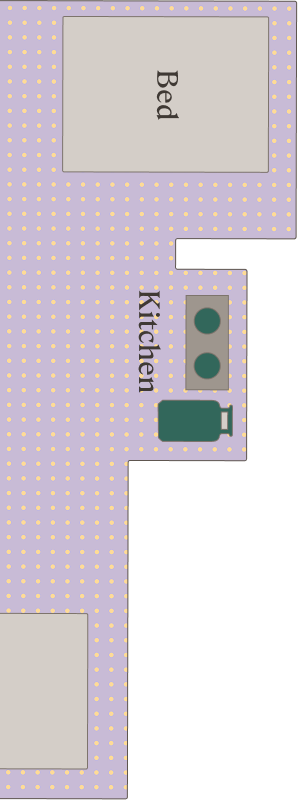
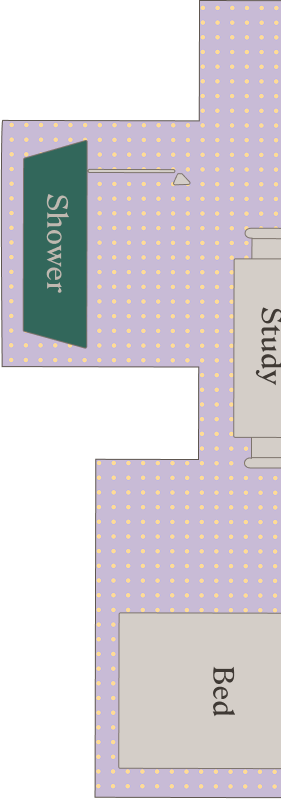
Post-COVID, Truliv rebuilt deliberately.They embraced asset-light operations and designed properties specifically for coliving efficiency. Every layout decision—corridors, room sizes, shared spaces, was intentional. Efficiency wasn't about squeezing more people in. It was about designing better flow.
Rohit often compares coliving to aviation. Airlines optimise seats per aircraft. Truliv optimises beds per property—without sacrificing comfort.Today, Truliv manages over 2,500 beds in Chennai, mostly through fixed long-term leases. Owners get predictability. Truliv gets stability. Residents get consistency.
Scale
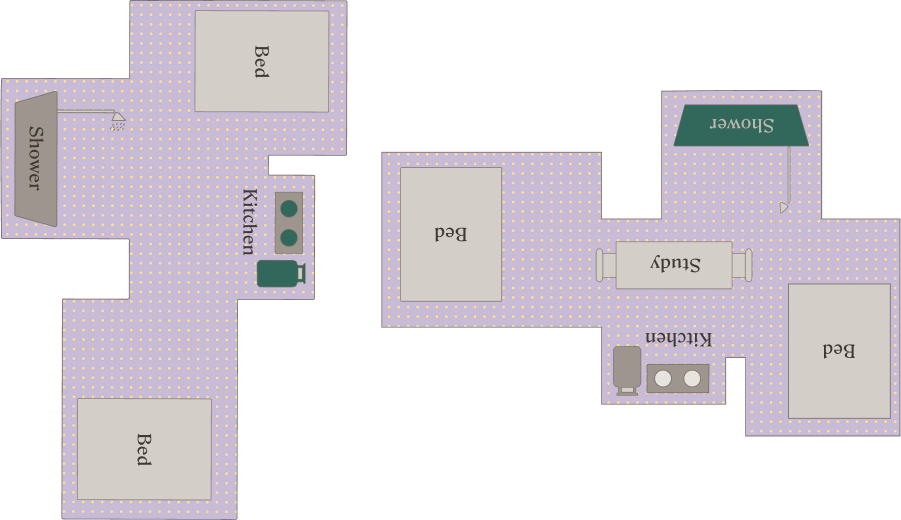
Post-COVID, Truliv rebuilt deliberately.They embraced asset-light operations and designed properties specifically for coliving efficiency. Every layout decision—corridors, room sizes, shared spaces, was intentional. Efficiency wasn't about squeezing more people in. It was about designing better flow.
Rohit often compares coliving to aviation. Airlines optimise seats per aircraft. Truliv optimises beds per property—without sacrificing comfort.Today, Truliv manages over 2,500 beds in Chennai, mostly through fixed long-term leases. Owners get predictability. Truliv gets stability. Residents get consistency.

As operations matured, technology became the final bottleneck. Truliv had invested heavily in building its own systems, high costs, high maintenance, fragmented workflows. Accounting was manual. Fees were high. Teams spent hours reconciling instead of improving experience.
integrating Warden marked what Rohit calls a digital renovation. Costs dropped. Transaction fees reduced. Teams reclaimed hours every single day.For the first time, systems matched intent.
With operations stable and clarity restored, Truliv is now preparing to expand into Hyderabad, Pune, Bangalore, and Gurgaon, confident that growth will not dilute the living experience they've worked so hard to protect.
Technology

As operations matured, technology became the final bottleneck. Truliv had invested heavily in building its own systems, high costs, high maintenance, fragmented workflows. Accounting was manual. Fees were high. Teams spent hours reconciling instead of improving experience.
integrating Warden marked what Rohit calls a digital renovation. Costs dropped. Transaction fees reduced. Teams reclaimed hours every single day.For the first time, systems matched intent.
With operations stable and clarity restored, Truliv is now preparing to expand into Hyderabad, Pune, Bangalore, and Gurgaon, confident that growth will not dilute the living experience they've worked so hard to protect.
@2026 WARDENERA, All Rights Reserved.
The Wardenera name and logo are trademarks of Lagom Innovations Pvt Limited
Company
Resources
